Professional Retaining Wall Solutions for Sloped Landscapes
From Planning to Maintenance: Explore the Various Types of Outdoor Solutions We Offer
Landscaping services involve a extensive array of offerings, from preliminary design ideas to ongoing maintenance. Each phase is crucial in creating and sustaining an outdoor area that matches personal preferences and environmental considerations. By comprehending the process and options available, property owners can make informed decisions that enhance both visual appeal and practical use. What key elements should one consider to ensure a prosperous outdoor renovation?
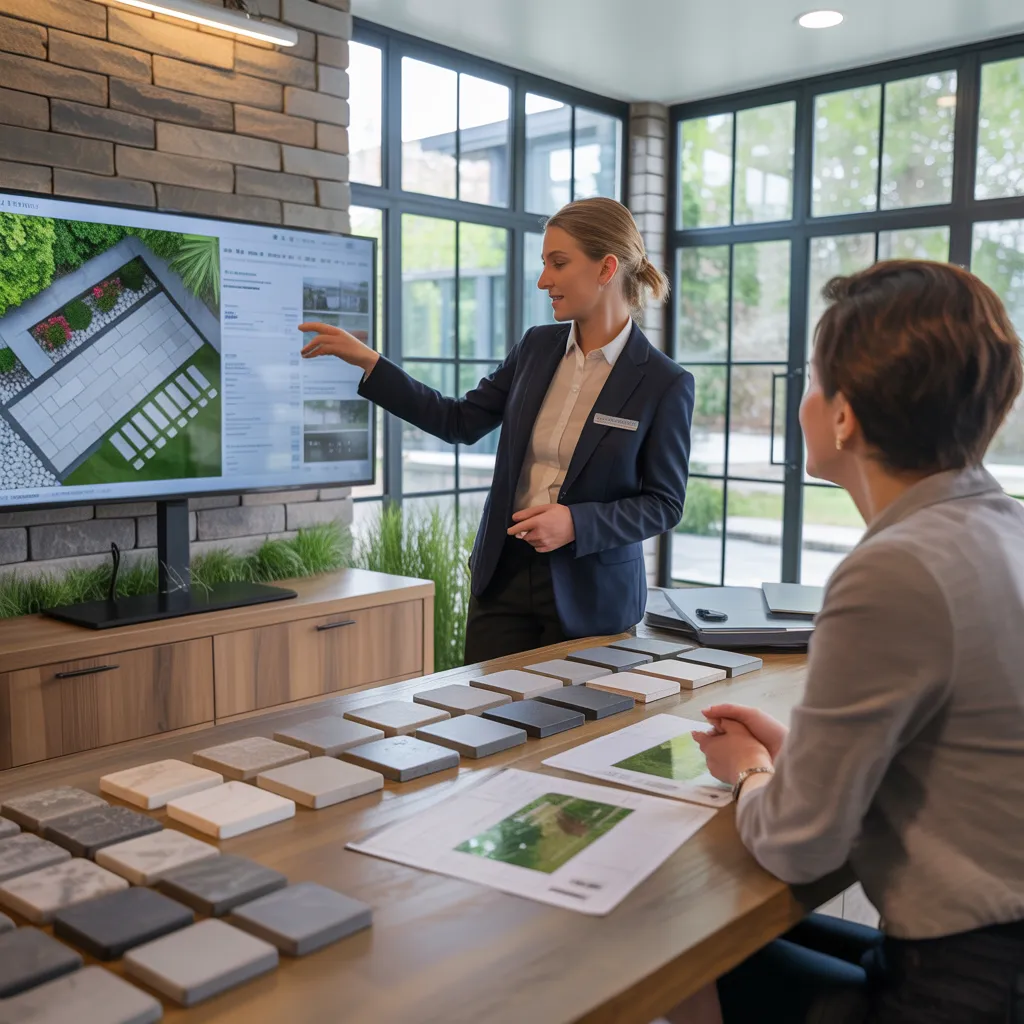
Steps to Determine Your Landscaping Vision
Outlining a landscaping vision is imperative for producing an exterior zone that reflects distinctive taste and meets tangible requirements. This initiative commences with assessing the current setting, including ground conditions, sunlight exposure, and climate considerations. Recognizing these variables assists with opting for compatible vegetation and building elements.
Next, individuals should reflect on their lifestyle and how they intend to utilize the space. Whether for entertaining, gardening, or relaxation, these activities will shape design choices.
Visual concepts may be sourced from many different channels, like magazines, online platforms, or nature itself. Developing a mood board can help in clarifying your preferences.
Ultimately, defining a budget is vital, as it impacts plant selection, hardscape alternatives, and complexity of design. By combining these elements, people can build a clear outdoor design vision that harmonizes aesthetic value with functionality, laying the groundwork for a successful outdoor enhancement.
Developing an Excellent Landscape Plan
Once a clear design vision has been established, the following step involves creating the optimal landscape design. This process requires a combination of artistic vision and functional considerations. Successful landscape design starts with evaluating the site's unique characteristics, such as topography, soil type, and sunlight exposure. These factors inform the layout, ensuring the design enhances the natural beauty of the environment.
A successful layout combines various elements, including hard landscaping features like patios and pathways, alongside soft landscaping components such as lawns and gardens. Thoughtful placement of these components creates a harmonious flow, directing visitors through the space. Additionally, attention to size and ratio ensures that each element complements the others, avoiding overcrowding or disproportion.
In the final analysis, the framework should reflect the client's preferences while preserving functionality. By carefully executing every detail, a landscape design can metamorphose the exterior zone into a astounding and engaging place, positioned to be appreciated year-round.
Selecting Plants That Flourish in Your Climate
Determining botanical options that excel in a specific climate requires a extensive understanding of hardiness zones, which indicate which plant varieties can endure local temperature ranges. Likewise, prioritizing local flora can amplify natural stability and adaptability in the outdoor environment. Seasonal planting considerations also play an essential position in facilitating extended prosperity and robustness of the green space.
Understanding Plant Hardiness Regions
Knowing the zones of hardiness is key for those involved in gardening and landscapers trying to grow plants that presentation will prosper in their defined climates. These zones, created by the USDA, classify areas based on average minimum winter temperatures. By finding out the hardiness zone of a site, people can select plants that are more likely to survive local weather patterns. Each zone is given a number, and subdivisions show minor temperature variations. For example, a plant classified to Zone 5 might not do well in Zone 4, where winters are severe. Knowing these zones aids in choosing plant selection, leading to healthier landscapes and reducing the chances of plant failure. This knowledge ultimately contributes to a more sustainable and vibrant garden or landscape.
Native Plant Preference
While many gardeners may be tempted to choose unusual species for their landscapes, going with native species often gives greater success. Indigenous species are fitted for area-specific weather and ground, calling for less water and maintenance relative to non-native varieties. They create essential habitats for local wildlife, promoting species richness and natural harmony. Picking native species can also cut down pest issues, as these plants are naturally resistant to local diseases. In addition, integrating indigenous species strengthens the visual beauty of a landscape by reflecting the region's natural beauty. Gardeners are encouraged to study the specific native plants suitable for their community, making certain a thriving garden that matches ecological conservation. Ultimately, indigenous species adoption builds a harmonious and resilient landscape.
Important seasonal gardening points for your growing space
In the process of planning a garden, gardeners must take into account the shifting seasonal climates that influence plant development and condition. Choosing plants that excel in particular climate zones assures peak performance and longevity. For example, in warmer regions, drought-resistant plants might be selected, while cooler areas benefit from hardy perennials capable of withstanding frost. Knowing local weather patterns, including rainfall and temperature changes, aids in picking the suitable species. Moreover, seasonal changes govern planting times; spring suits many annuals, and fall works well for certain perennials. By aligning plant choices with local climate circumstances, gardeners can cultivate healthy, durable landscapes that thrive year-round, reducing upkeep and enhancing the garden’s aesthetic value.
Construct Your Ideal Outdoor Living Oasis
Designing a dream outdoor living space demands careful consideration of bespoke design options that express personal styles. Functional outdoor features, including lounging zones and cooking spaces, maximize functionality while complementing the overall aesthetic. Collectively, these elements make a yard into a personalized retreat.
Tailored Visual Resolutions
Customized design strategies provide homeowners the chance to convert their outdoor spaces into personalized oases. By taking into account individual preferences, lifestyles, and environmental factors, landscaping professionals develop unique designs that embody the homeowner's vision. These solutions include a range of elements, such as plant selection, hardscaping, and layout adjustments, ensuring each outdoor space is both aesthetically pleasing and functional. Collaborating with clients, designers integrate specific themes, colors, and materials, which enhances the overall appeal. The emphasis is on crafting cohesive environments that blend seamlessly with the home while meeting the homeowner's practical needs. Ultimately, customized design solutions not only improve the beauty of outdoor areas but also create a sense of connection with nature, enriching everyday experiences.
Practical Exterior Components
Practical outdoor amenities serve an important role in boosting the usability and satisfaction of outdoor living spaces. These components, such as patios, decks, and outdoor kitchens, establish inviting areas for relaxation and socializing. Including features like fire pits and water elements can deliver both visual appeal and practical advantages, letting homeowners appreciate their yards year-round. Furthermore, thoughtfully positioned seating and dining areas foster gatherings, while pathways and lighting enhance accessibility and protection. Green options, like rain gardens and permeable paving, support ecological wellbeing. In summary, practical outdoor amenities convert a yard into a flexible space that addresses multiple requirements, assisting homeowners to optimize their outdoor experience while establishing a peaceful balance between nature and design.
Ways to Create Your Landscaping Increasingly Environmentally Conscious?
In what ways can residents reshape their outdoor spaces into green landscapes? One sound approach is to include native plants, which need less water and care while assisting local wildlife. Using water-efficient species can greatly reduce water consumption, making landscapes more environmentally conscious.
Another approach involves installing rain gardens to control stormwater runoff effectively, enabling rainwater to permeate into the ground rather than contributing to pollution. Homeowners can also choose organic fertilizers and pest management methods to minimize chemical usage, promoting a healthier ecosystem.
Porous surface products used for pathways and driveways improve water infiltration, reducing surface erosion and water runoff. Additionally, placing compost bins supports waste recycling and enhances soil health.
Vital Year-Round Landscape Maintenance
What essential tasks secure a landscape endures as vibrant and sound throughout the year? Year-round landscape maintenance involves a variety of crucial activities that promote premier growth and visual character. Regular mowing makes certain that grass proves robust and at an desirable height, while seasonal fertilization provides necessary nutrients. Branch trimming shrubs and trees not only upholds their shape but also encourages vigorous surge and reduces the risk of disease.
Another necessary activity is weeding, as it halts contest for elements among plants. Mulching aids in preserving soil moisture and limits weed growth, enhancing the overall visual appeal of garden beds. Also, seasonal inspections of irrigation systems guarantee efficient water use, eliminating waste and promoting sustainability.
Redesigning Your Space: Remarkable Before and After
A well-cared-for landscape sets the scene for dramatic changes that can boost any outdoor area. Landscaping services are experts in revitalizing spaces, demonstrating striking before-and-after makeovers that captivate. These projects typically begin with a in-depth assessment of the current landscape, pinpointing problem areas, such as thick foliage, damaged walkways, or insufficient lighting.
After the blueprint is approved, trained experts carry out enhancements that may include new plantings, decorative features, and working installations like patios or outdoor kitchens. The results can be stunning: lifeless yards can morph into dynamic gardens, while dull pathways can be transformed into inviting walkways.
Photographs recording these transformations highlight the proficiency of professional landscaping. The stark contrast between the initial state and the completed design underscores not only visual charm but also the increased value of the property. Ultimately, a beautifully transformed landscape can create a welcoming atmosphere, improving the overall experience of exterior spaces.

Regularly Posed Queries
What Is the Average Price of Landscaping Services?
The typical price of lawn care services typically ranges from $1,500 to $5,000, based on elements like the size of the project, level of difficulty, and types of materials employed. Property owners frequently find variable pricing determined by regional labor and market conditions.
What duration is Standard for a Landscaping Project?
A landscaping initiative typically takes between one to four weeks, subject to factors like project size, complexity, weather conditions, and the specific services required. Comprehensive planning can help accelerate the timeline efficiently.
Are Seasonal Outdoor Design Services Offered?
Absolutely, seasonal outdoor maintenance services are delivered, incorporating spring clean-ups, summer maintenance, autumn leaf removal, and winter preparations. These services confirm landscapes stay healthy and beautiful throughout the changing seasons, meeting specific seasonal needs effectively.
Is It Possible to Upkeep My Landscape on My Own After Completion?
Yes, maintaining a landscape independently after installation is possible. However, it requires knowledge of proper techniques, tools, and seasonal care to guarantee the landscape stays vibrant and aesthetically pleasing over time.
Which Gear Do You Use for Outdoor Design Projects?
Landscaping ventures typically call for gear such as lawnmowers, trimmers, blowers, shovels, rakes, and various power tools. Larger operations may also use excavators and trucks for delivering materials, maximizing efficiency and precision in the work.